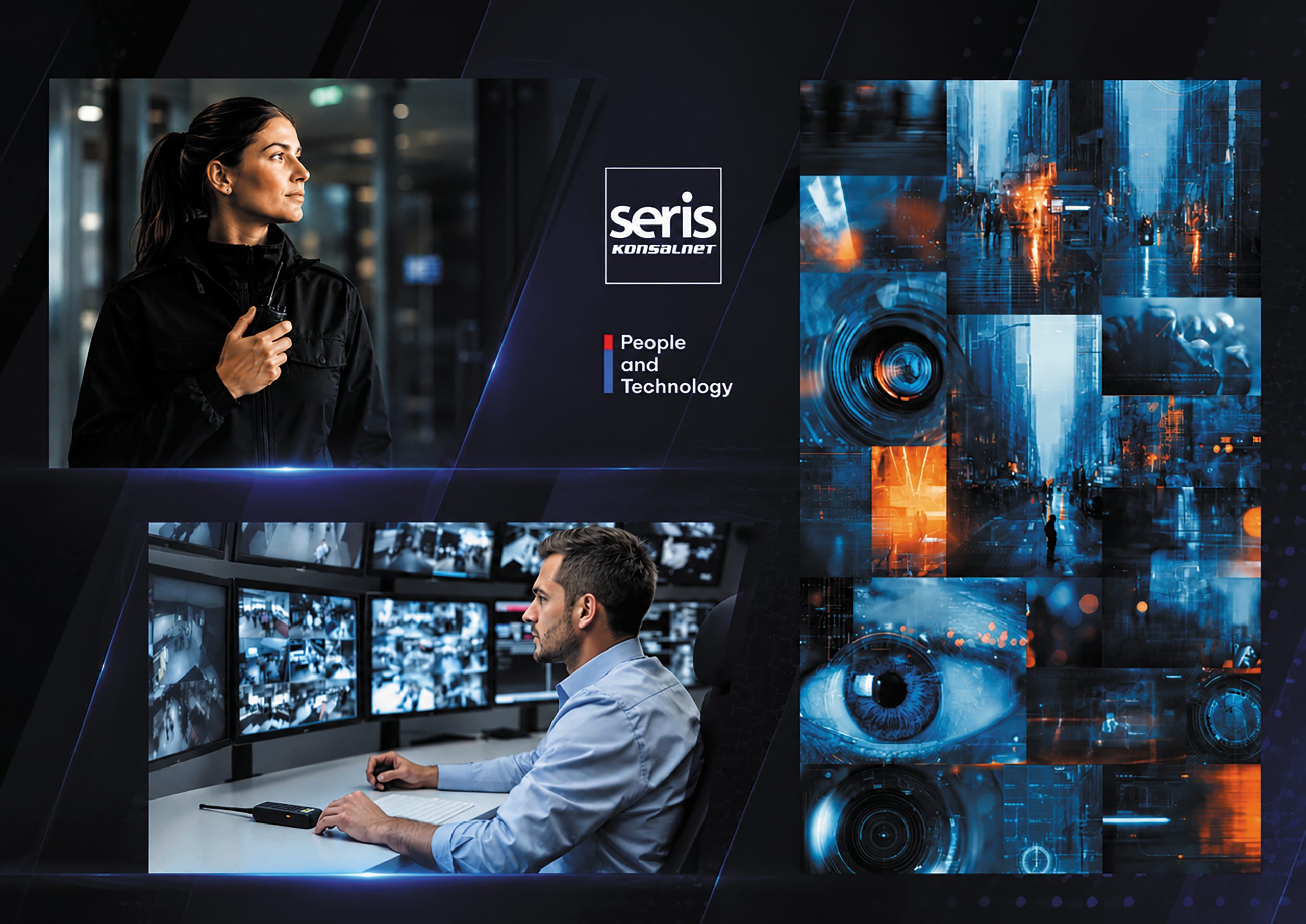
People & Technology
People Are Not Disappearing from the Security Industry. Their Role Is Changing

Sylwia Müller – CEO at Seris Konsalnet
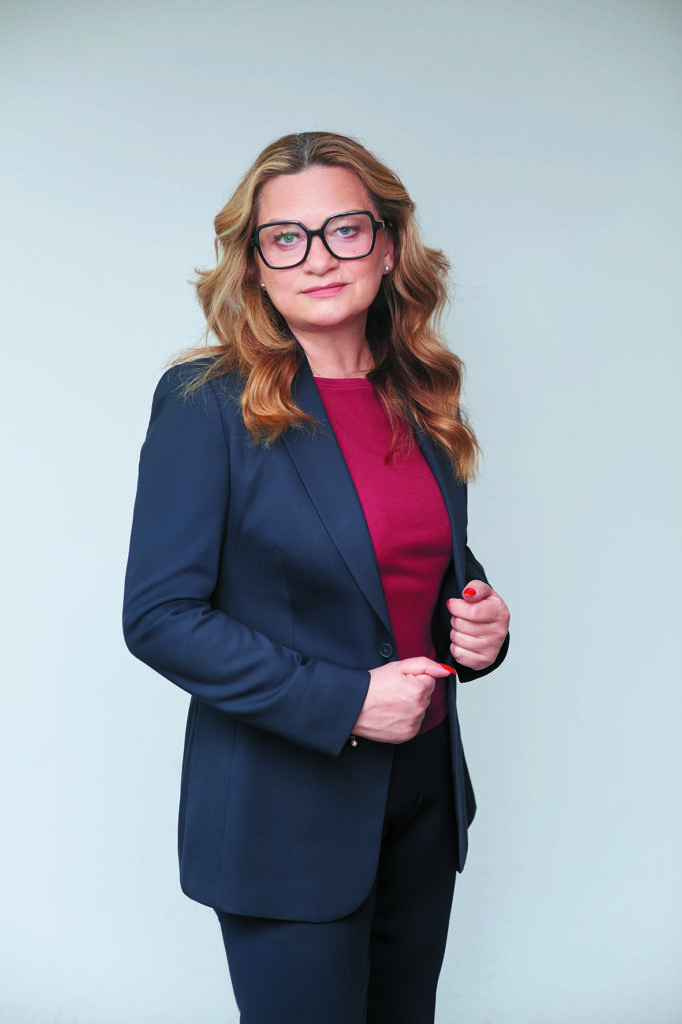
Małgorzata Gawryszewska – HR Director at Seris Konsalnet
When we talk about artificial intelligence, automation or robotics, the question of jobs arises almost immediately. Will technology replace people? Changes are already visible in the security industry, but the direction they are taking is more complex. It is not simply a matter of how many tasks can be automated, but above all of how technology can help organise work differently and make better use of people’s experience.
Just a few years ago, security was associated almost exclusively with the physical presence of a security officer on site. Today, that picture is incomplete. Video surveillance, access control systems, mobile applications and AI-powered solutions are becoming part of everyday work. A system can detect an anomaly, analyse an image and generate an alert. However, it is a person who assesses the situation, makes the decision and is responsible for the appropriate response.
„Technology is not eliminating people from the security industry, but it is changing the nature of their work. The ability to work with modern systems, interpret information correctly and make sound decisions is becoming increasingly important. That is why I see the future of the industry not as a choice between people and technology, but as the ability to combine their strengths effectively”, says Sylwia Müller, CEO at Seris Konsalnet.
She adds:
„Technology works particularly well where tasks are repetitive, require many hours of observation or can be carried out automatically. People remain essential wherever good communication, the assessment of an unusual situation or direct interaction with another person is required.
Developing Skills in a Changing Work Environment
Technological development is changing not only the way services are delivered, but also the skills employees need. For employers, this means investing in workforce development and preparing employees to work with solutions that are becoming standard across the security industry.
„As the sector becomes increasingly professionalised, expectations of employees are changing, as are their development needs. That is why we cannot focus solely on recruiting new people. It is equally important to develop the skills of existing employees and give them opportunities to gain new qualifications. We invest in training and finance professional qualifications that enable our employees to grow alongside the organisation and the changing market”, says Małgorzata Gawryszewska, HR Director at Seris Konsalnet.
She emphasises:
„We are pleased that our approach has also been recognised externally – Seris Konsalnet was named one of Gazeta Finansowa’s ‘Best Employers 2026’. We see this distinction above all as confirmation that the direction we have chosen in terms of employee development and building the right working environment is the right one”.
An Industry for People at Different Stages of Their Careers
Technology is changing the way people work, but it is not changing the fundamental role of people. That is why the security industry remains open to individuals at different stages of their careers. It offers opportunities to gain first professional experience, combine work with education and develop professionally, while also providing stable employment for people with many years of experience.
“The security industry is one of the more flexible segments of the labour market. It allows people to combine work with university studies, gain their first professional experience or change their existing career path. At Seris Konsalnet, we want to create an environment that offers development opportunities to people at different stages of their professional lives. The diversity of experience and skills within our teams represents genuine business value for us”, says Małgorzata Gawryszewska.
People + Technology
As AI develops, the importance of distinctly human skills is, paradoxically, increasing. The more information systems provide, the more important the ability to interpret it becomes. The more processes we automate, the greater the value of the right response in a situation that an algorithm has not anticipated.
„Technological transformation makes sense when it creates real value – for the client, the employee and the organisation as a whole. That is why we do not look at technology solely through the lens of automation. We see it as part of a broader transformation of the company’s operating model, a way to improve service quality and a means of building the skills we will need in the future”, emphasises Sylwia Müller.
The future of the security industry therefore does not come down to a choice between people and technology. The direction is clear: people supported by technology.