AZERBAIJANI GAS AND OILARE WAITING FOR POLAND
With Russia squeezing Europe’s oil routes,
an old Baku-to-Poland pipeline gets a second look.
BAKU. Russia’s halt of Kazakh oil to Germany has sent Caspian crude looking for new routes and revived the case for a long-planned pipeline, Sarmatia, that would link Baku to Poland. As the Southern Gas Corridor expands and Poland’s embassy in Baku presses its companies to look at Azerbaijan, both capitals are weighing what a closer energy partnership could carry.
When Russia moved on May 1 to halt the transit of Kazakh oil to Germany’s Schwedt refinery through the Druzhba pipeline, it threatened a supply line Berlin had spent two years building to reduce its dependence on Moscow. A month on, the crude is still moving, but only through improvised fixes: PERN, Poland’s pipeline operator, kept its section of Druzhba’s northern leg clear of sanctions by hiring a non-Russian contractor to service the oil-flow meters, and Kazakhstan extended its Schwedt supply contract to the end of the year. Part of the Kazakh volume is now moving west across the Caspian instead, through Azerbaijan’s Baku-Tbilisi-Ceyhan system to Mediterranean tankers.
One project would turn that improvisation into a fixed route. Sarmatia, a joint venture of Azerbaijan, Georgia, Ukraine, Poland and Lithuania, was conceived nearly two decades ago to carry Azerbaijani crude across Ukraine to Poland. It was never built, stalled for years by the war in Ukraine.
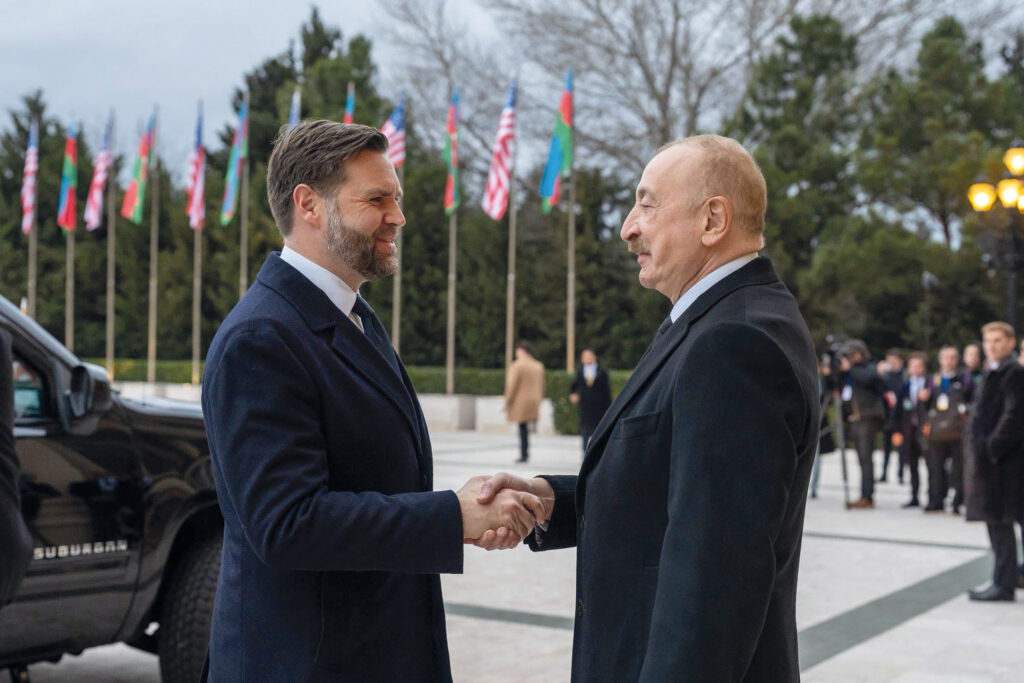
Azerbaijan and the United States held the first meeting of the economic dialogue established under the Strategic Partnership Charter signed in Baku in February by Vice President J.D. Vance and President Ilham Aliyev.
Azerbaijan’s state oil company, SOCAR, holds a seat on the venture’s board, and at Baku Energy Week its deputy vice-president, Vitaliy Baylarbayov, set out where the project stands. He was direct about the obstacle. „Who will build any pipeline connection, who will move substantial volumes of crude oil across the territory of a country which is in today’s conditions?” he said in an interview at SOCAR headquarters, referring to Ukraine. He would not, though, call it finished: „I am sure this is one of the projects which could be and will be one day realized, implemented, and will bring prosperity. But more importantly, it will connect people of all the countries I mentioned”.
Earlier this spring, the question was whether Azerbaijani gas could reach Poland through the Southern Gas Corridor. SOCAR’s answer is that the corridor is full and Warsaw never asked.
Baylarbayov was blunt about why the gas story went nowhere. „That particular system of pipelines is completely full. It is working above its technical capacity”, he said there is no spare gas to sell, and Poland never figured in the flows: „We never supplied any gas to Poland”. SOCAR is, he added, „absolutely prepared to open up the conversation with Poland and Polish companies” if Warsaw asks. Having several supply sources beats relying on one, Orkhan Zeynalov, the deputy energy minister, said: the Strait of Hormuz crisis and the Iran war exposed single-source LNG weather-dependent and tied to maritime routes as more vulnerable than pipeline gas. The International Energy Agency reckons the Hormuz disruption removed close to 20 percent of global LNG supply and pushed the next wave of LNG capacity back by at least two years. Expanding pipeline supply, though, is mainly a question of money. Producing more gas requires fresh investment that European lenders are reluctant to provide; the EBRD, he noted, demands extra sustainability criteria even to weigh an upstream project, and buyers would need to commit for more than ten years. „The financing and the guarantees have to come first”, he said, with regulation that is „flexible, implementable and deliverable”. The headroom is there: the Trans Adriatic Pipeline, the corridor’s last leg, can be widened from 10 to 20 billion cubic metres a year without new routes, and its first 1.2-billion-cubic-metre expansion came online in January.
Poland’s official posture has been warming. Its ambassador in Baku, Paweł Radomski, has spent his first year pressing Polish companies to look harder at Azerbaijan, telling local media the country’s importance has become more evident in recent years. Their intergovernmental economic commission last met in Warsaw in October and is due to reconvene in Baku, and the embassy has been promoting the Middle Corridor and openings for Polish firms in energy, infrastructure and logistics.
That official push runs ahead of the wider Polish debate. Karol Wasilewski, a Warsaw analyst who follows the region, sees the country’s distance from the question as a blind spot. When Poles consider the South Caucasus, he says, they think first of connectivity and infrastructure; Azerbaijan as a gas supplier is an obvious topic in Europe „but not so much in Poland”. Speaking for himself, he said: „Azerbaijan may be a bigger contributor than we assume”.
Reconstruction is the clearest place the two economies could do business. Azerbaijan is pouring billions into rebuilding Karabakh, the region it retook in 2023, and higher energy prices since the Gulf crisis have widened the budget for it. Polish construction and green-technology firms several of which pitched in Baku during COP29 are the kind Baku wants. The reasons are also political: Azerbaijan blames Armenia for Karabakh’s destruction but increasingly casts Russia, Armenia’s old patron, as the hostile hand behind it Russian peacekeepers stood aside in 2023, and Russian air defences downed an Azerbaijani airliner in 2024. For Warsaw, wary of Moscow by long habit, that is familiar ground. Defence is moving the same way: the energy revenue rebuilding Karabakh also underwrites one of the world’s highest military budgets relative to GDP, and Azerbaijan has been steadily shifting its arms purchases away from Russia toward Turkey, Israel and others a market Poland’s fast-growing defence industry will not ignore.
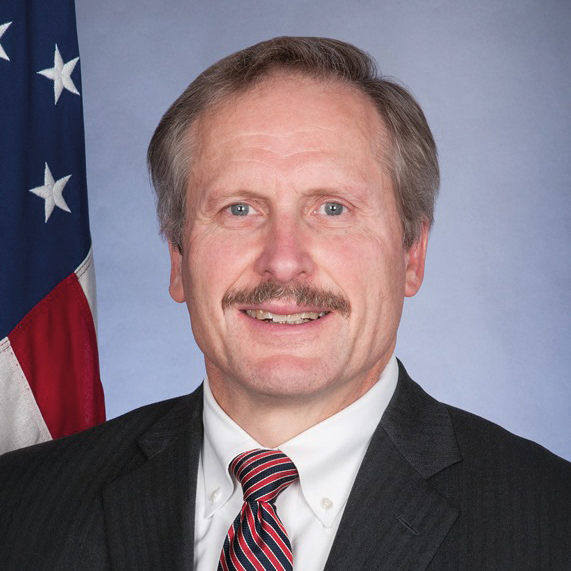
Azerbaijan and the United States held the first meeting of the economic dialogue established under the Strategic Partnership Charter signed in Baku in February by Vice President J.D. Vance and President Ilham Aliyev.
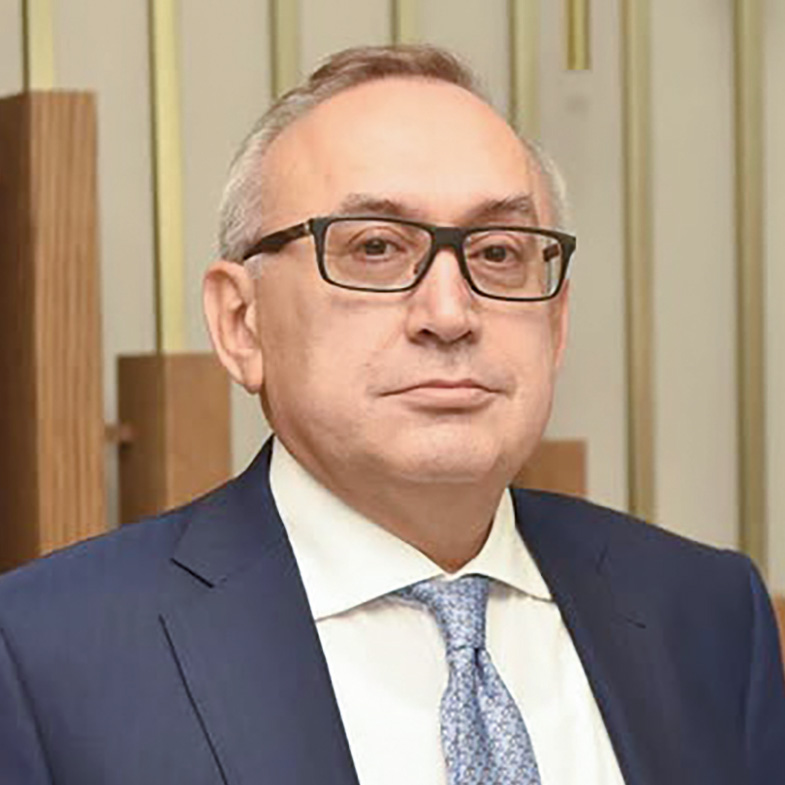
“Who will build any pipeline connection, who will transport substantial volumes of crude oil across the territory of a country that is in the current conditions?” Vitaliy Baylarbayov said in an interview at SOCAR headquarters, referring to Ukraine.
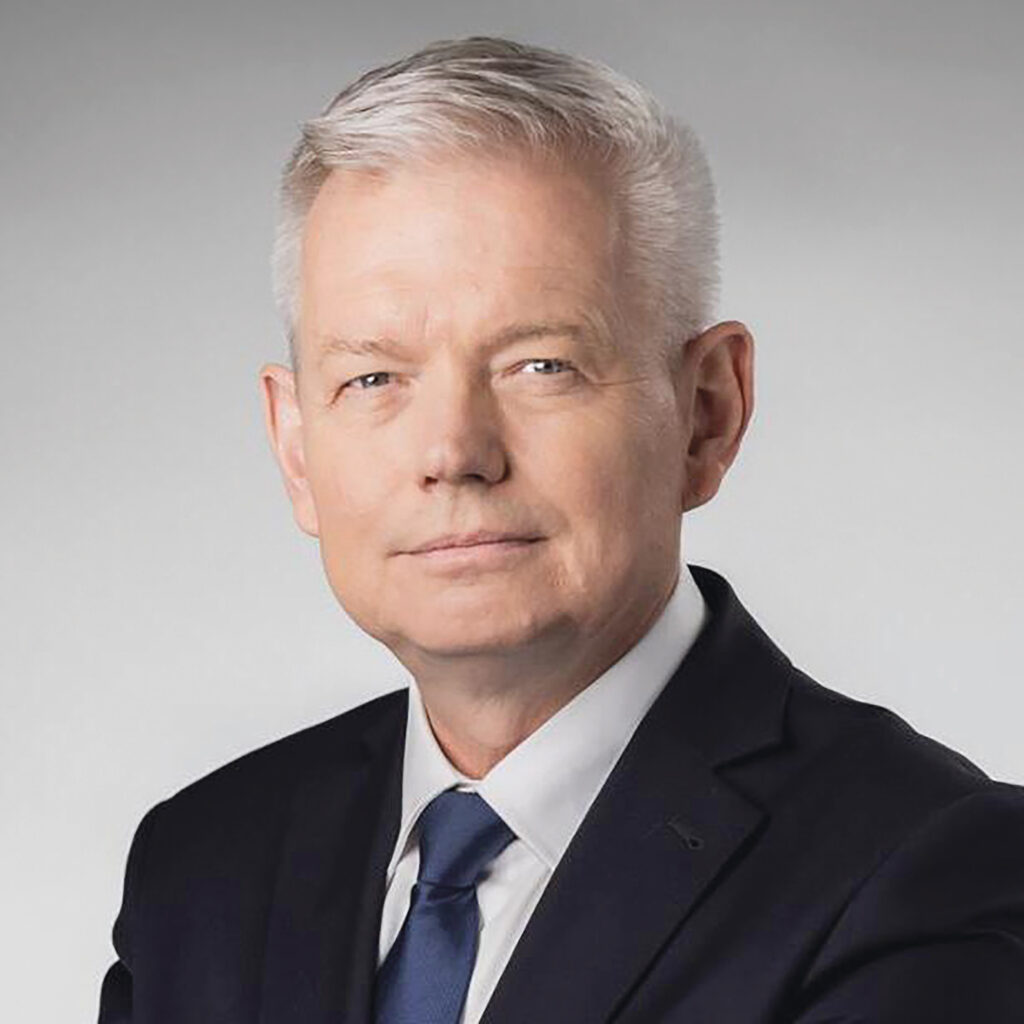
Poland’s official stance has been becoming increasingly favorable. Its ambassador in Baku, Paweł Radomski, spent the first year of his mission encouraging Polish companies to take a greater interest in Azerbaijan.
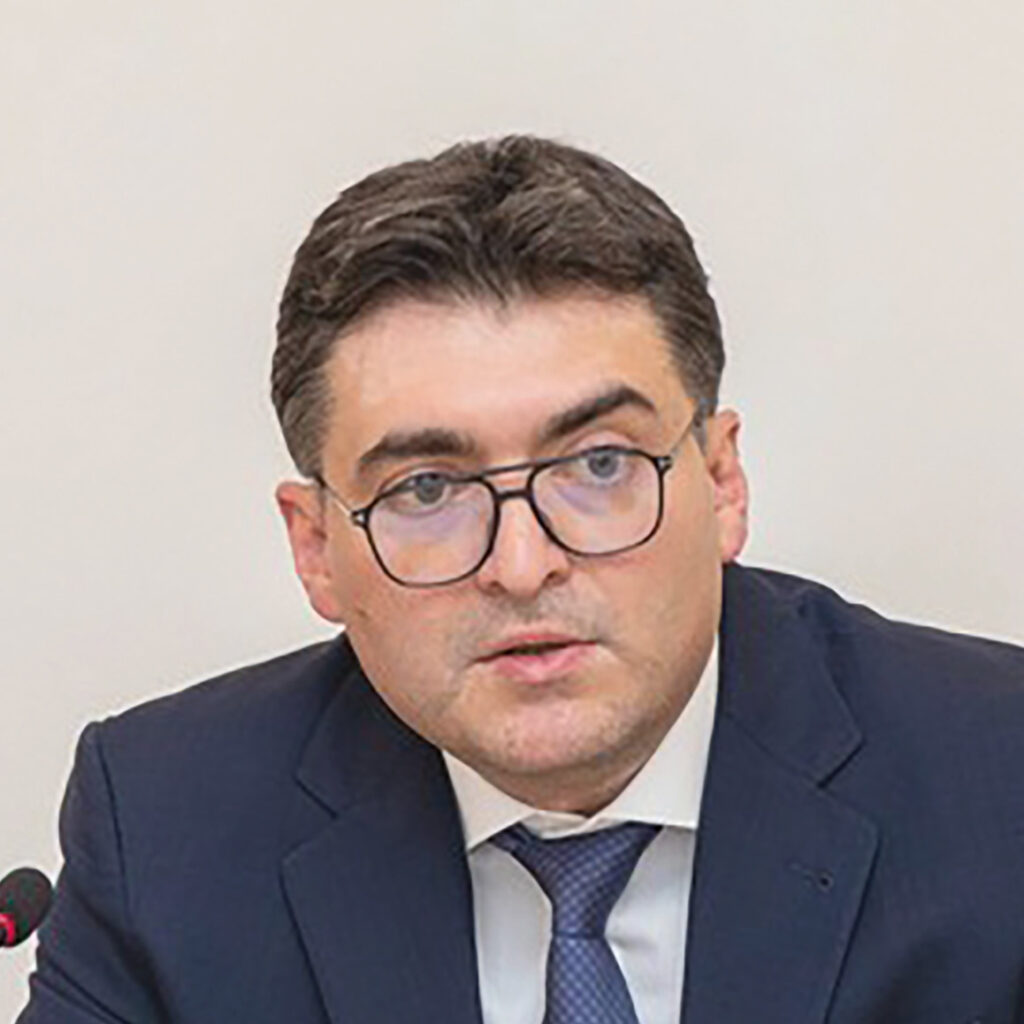
“Having several sources of supply is better than relying on just one”, said Orkhan Zeynalov. The crisis in the Strait of Hormuz and the war with Iran demonstrated that LNG coming from a single source is more vulnerable to disruptions than gas transported through pipelines.
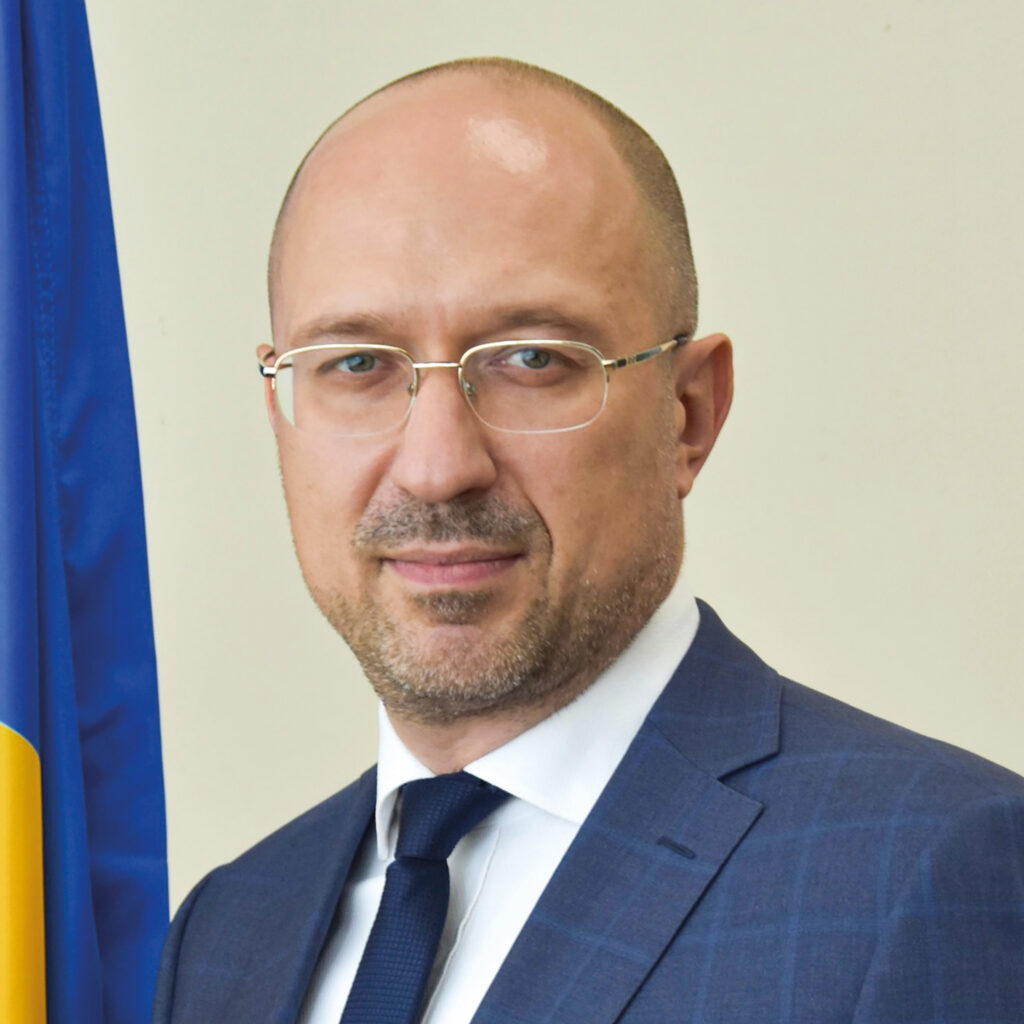
Energy Minister Denys Shmyhal argued that Ukraine and Azerbaijan can strengthen Europe’s energy security by expanding access to
non-Russian gas and oil and by making use of Ukraine’s infrastructure.
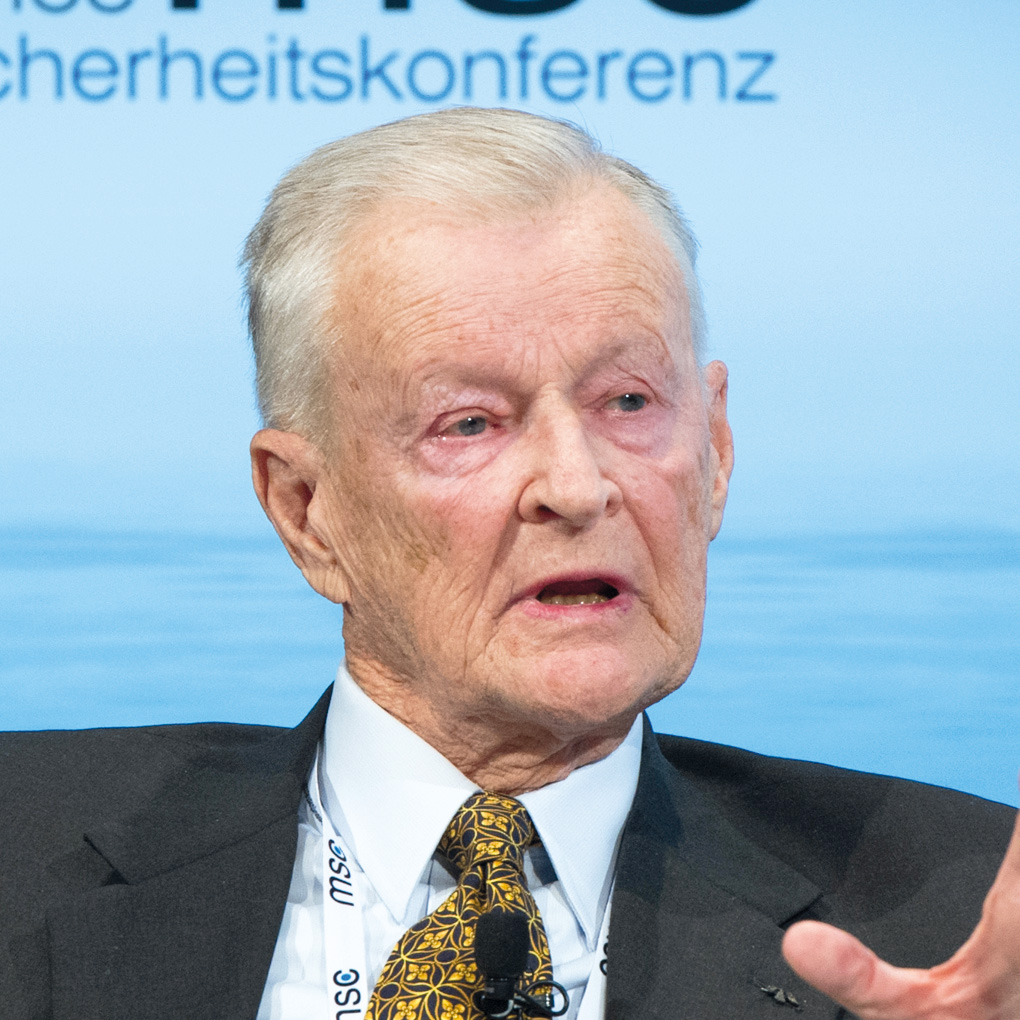
Baylarbayov quoted the words of Zbigniew Brzezinski, who described Azerbaijan as “the cork in the geopolitical bottle.” In his interpretation, Azerbaijan was the key to the routes connecting Europe with Central Asia.
„The Poles, the Bulgarians and others like these routes because they can reach Kazakhstan and Central Asia without going through Russia and all the complications that entails”, said Robert F. Cekuta, the former U.S. ambassador to Azerbaijan, who noted that the corridor was a roughly $34 billion project Washington backed across Republican and Democratic administrations. Washington has pushed that further. On June 2, on the margins of the same Baku Energy Week, Azerbaijan and the United States held the first meeting of an economic dialogue set up under the strategic-partnership charter that Vice-President J.D. Vance and President Aliyev signed in Baku in February; American officials now describe Azerbaijan as a backup energy source for Europe and a Middle Corridor hub beyond Russia and Iran. The same is true of air travel. Since the Soviet collapse, Baku has become a transfer point for passengers as well: its airport and the national carrier, AZAL, give travellers from Poland, Bulgaria and the Czech Republic a route to India and the Far East that avoids Russian airspace. Azerbaijan matters today, Cekuta said, „for its hydrocarbon production, its geography, and the potential for its population to make creative contributions in these evolving areas critical minerals among them”.
Poland is tied into the jet-fuel side, too. LOT has flown the only nonstop Warsaw–Baku route since 2022 a service it framed as business-driven, given Azerbaijan’s standing as an economic partner and has explored deeper cooperation with AZAL; since 2020, foreign carriers can fly onward from Azerbaijani airports to some 40 countries, which, with European airlines shut out of Russian airspace, makes Baku a natural stop on the southern route to Asia. The fuel for those routes increasingly comes from non-Russian suppliers. Through its STAR refinery in Turkey, SOCAR supplies jet fuel to Istanbul Airport and has signed a sustainable-aviation-fuel agreement with Turkish Airlines. This spring it became a far bigger European player, buying Italiana Petroli one of Italy’s largest private downstream oil companies, with two refineries, thousands of filling stations and a jet-fuel arm. The supply question sharpened on June 1, when Russia banned its own jet-fuel exports through November to protect domestic stocks. The direct market effect is small, since Russia is a minor jet-fuel exporter, but for an airline like LOT the point is the same as for the pipelines: the routes and the fuel that keep Europe flying to Asia increasingly avoid Russia.
Sarmatia would run across Ukraine, and Ukraine used Baku Energy Week to advance its own case. At the ministerial plenary on June 1, energy minister Denys Shmyhal argued that Ukraine and Azerbaijan can strengthen Europe’s energy security by expanding access to non-Russian gas and oil and putting Ukraine’s infrastructure to use. He described his country as a transit and service hub, citing the first test deliveries of Azerbaijani gas via the Trans-Balkan route and roughly 30 billion cubic metres of underground storage, the largest in Europe, that could form part of a new supply network. On the oil side, that is what Sarmatia was meant to deliver. Shmyhal also noted that Azerbaijan had sent Ukraine 11 packages of energy aid generators, transformers, cabling during the war.
Azerbaijani gas will not reach Poland at current pipeline capacity. For Warsaw the prospect is longer-term: a stake in a route around Russia once the war ends, and commercial openings in Baku beyond the pipeline. Asked what those might be, Baylarbayov, a career oil-and-gas executive, named the obvious sectors first „oil, gas, refineries… chemicals” before adding tourism and agriculture and stressing that Azerbaijan sets no conditions on the origin of investors: „Azerbaijan is open for foreign investors. We do not make exceptions, we do not make discriminations”.
Baylarbayov himself quoted the Polish-American strategist Zbigniew Brzezinski, who called Azerbaijan „the cork in the geopolitical bottle”. In his reading, Azerbaijan was the key to the routes between Europe and Central Asia. For now, Sarmatia remains shelved in all five of its member capitals, Warsaw included, while the war that stopped it continues and the argument for building it grows stronger.