What Russia Is Still Concealing
Russian archives and museums continue to hide numerous Polish works of art, documents, and collectibles that were stolen and taken from Poland. According to international law, these items should be returned to their rightful owners.
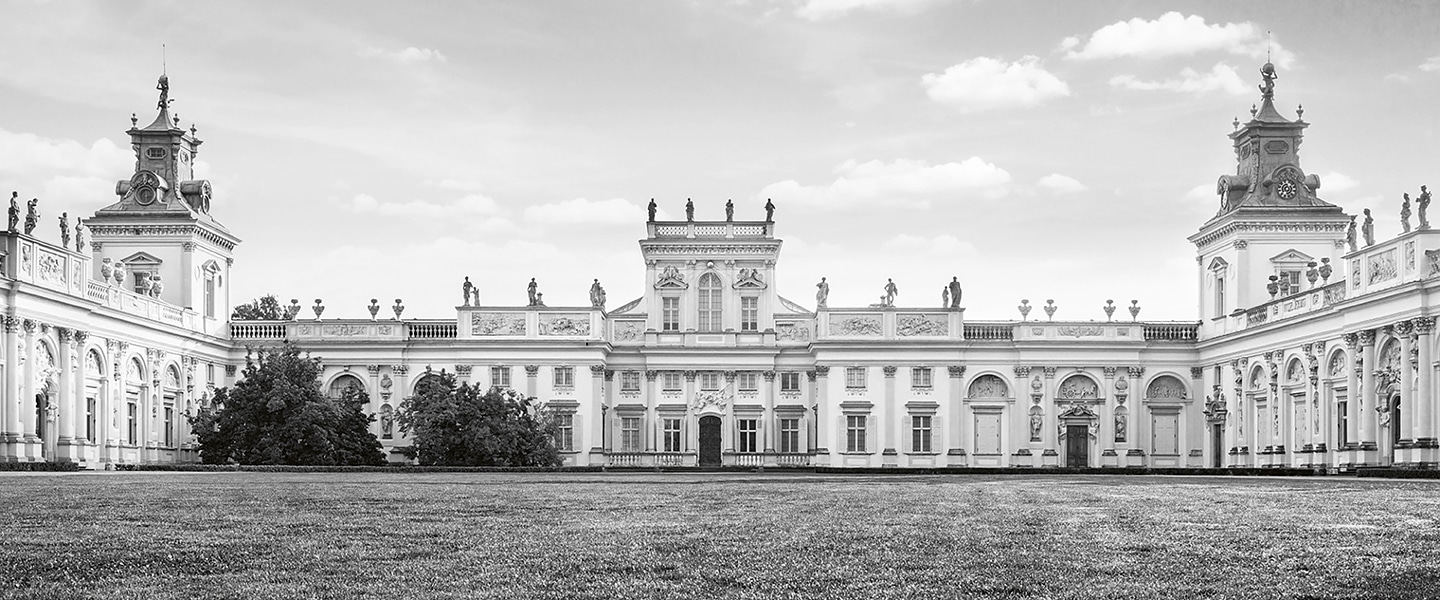
One such piece is a painting by the master Pompeo Batoni, once displayed in the Pavlovsk Palace in Russia. Using infrared radiation, a number 214 was revealed on the back of the painting, providing irrefutable proof that the artwork belongs to Poland. This painting, part of the Branicki collection from Wilanów, was taken by the Soviet Army after the war. The discovery was made possible in the 1990s, when a delegation of Polish art historians from the Ministry of Culture and the National Museum in Warsaw visited the Russian museum.
During their visit, they saw the Batoni painting, “Apollo and Two Muses.” At first, the Russian museum director claimed it was brought from Germany. Monika Kuhnke, who was working in the Ministry of Culture at the time, asked if there was a label with the number 368 on the back. The Russian official replied that there was a number 214, but he refused to let them examine the back of the painting. However, the delegation managed to secure permission for detailed infrared and ultraviolet analysis, which revealed the true identity of the artwork.
The investigation showed that the original inventory numbers had been deliberately removed, and the back of the painting had been painted over to hide the evidence. The infrared scan, however, uncovered the seal “Gallerie de Willanova” and the number 214, confirming the painting’s rightful ownership. In the fall of 1996, the Batoni painting was returned to Warsaw in an official ceremony, with the Russian Minister of Culture Konstantin Shcherbakov overseeing the handover.
This was the only return of art by Russia since Poland’s transformation in 1989, and it marked a turning point in the ongoing restitution efforts. It proved that despite Russian claims that everything looted by the “trophy brigades” during and after World War II had been returned, this was not the case.
Since then, Polish officials have been gathering evidence of art looted by the Germans during the war and hidden in Russian museums. Over the years, Poland has submitted more than 20 restitution claims, covering thousands of objects. However, Russian authorities have never responded to these requests. Among the stolen treasures are manuscripts, paintings, and artifacts, including the handwritten “Diary of a Journey” by Juliusz Słowacki and Lorenzo di Credi’s “Adoration of the Infant Jesus,” as well as works from the Czartoryski family’s collection.
The most valuable of these items include a 16th-century painting titled “Madonna with Child and Parrot against a Landscape” from the pre-war collection of the Municipal Museum of History and Art in Łódź, as well as “Madonna with Child,” known as the Głogów Madonna, attributed to Lucas Cranach the Elder, and “Forest Landscape” by Jan Brueghel the Elder.
Poland is also demanding the return of the numismatic collection from Malbork, which includes tens of thousands of coins, as well as Jakob Kabrun’s collection from the Museum of Gdańsk, which contains 6,860 drawings and prints, including works by Rembrandt and Dürer.
Just before the outbreak of the full-scale war in Ukraine, Polish librarians discovered evidence that around 300 priceless manuscripts, belonging to the Załuski Library, are still held in the Russian National Library in St. Petersburg. After the partitions of Poland, this collection was taken to St. Petersburg under the orders of Empress Catherine II. According to the Treaty of Riga in 1921, Poland’s cultural treasures should have been returned, but today we know that this was never done.
These ongoing efforts to recover Poland’s cultural heritage continue to face significant challenges, but they are crucial to restoring the nation’s lost history.