Best Employers in Poland – People, Standards and Responsibility in a Modern Economy
Poland’s economic transformation is not only about GDP growth, new investment, infrastructure and the expansion of domestic companies. Over the past two decades, the Polish labor market has changed as well. The quality of jobs is becoming another measure of the maturity of the Polish economy.
Poland has changed as a place to invest, do business and build a career. This is visible in modern factories, technology centers, the financial sector, logistics, energy and rapidly growing Polish companies. Far less attention, however, is paid to another part of the same transformation – the changing quality of work and the relationship between employees and employers.
Just 15 or 20 years ago, Poland was primarily an employer’s labor market. High unemployment, lower wages and a limited number of attractive job opportunities meant that companies largely dictated the terms of employment.
Today, the situation is entirely different. Poland has one of the lowest unemployment rates in the European Union. Employers must compete for people – and this applies not only to highly qualified specialists, but also to workers in industry, logistics, retail and services. That competition has changed the Polish labor market in favor of employees.
From Pay to Quality of Work
Salary remains one of the basic criteria when choosing an employer, but it is no longer the only one. Workplace atmosphere, stability, opportunities for advancement, the quality of managers, safety, flexibility and organizational culture are becoming increasingly important.
The latest Randstad Employer Brand Research 2026 shows the scale of this shift. For the first time in the history of the Polish edition of the survey, a pleasant workplace atmosphere ranked ahead of attractive pay among the factors most frequently cited by employees. It was selected by 72 proc. of respondents. Job security was important to 68 proc., while career development opportunities mattered to 60 proc.
It is not only the market that has changed. Polish employees themselves have changed, along with what they expect from companies. Good pay is expected to go hand in hand with good management. Stability with opportunities for advancement. Technology with investment in skills. And workplace safety today means not only protecting health and life, but also predictability, organizational responsibility and a culture built on clear rules.
Polish Jobs by European Standards
This is one of the less visible consequences of Poland’s transformation. Poland has not only been catching up with Europe in infrastructure, investment, technology and productivity. Its workplace culture has been changing as well.
At many large companies operating in Poland, systems for employee development, talent management, safety, training and work-life balance now function according to standards familiar from Europe’s most developed markets.
That does not, of course, mean that the entire Polish labor market has reached the same level. Differences between companies, sectors and regions remain significant. Employees also continue to see a gap between their expectations and reality, particularly when it comes to pay and career-development opportunities.
The direction of travel, however, is clear. Poland’s best employers are no longer trying to catch up with European standards. In many areas, they simply operate according to them.
Who Sets the Standard in Poland?
A useful snapshot of this transformation is provided by the ranking of the most attractive employers in the Randstad Employer Brand Research 2026. Signify took first place, Volvo Polska ranked second, and PGE Polska Grupa Energetyczna came third. The top ten also included Toyota Motor Manufacturing Poland, ZF Polpharma, KGHM Polska Miedź, Fujitsu Technology Solutions, Alstom, Allegro and Leonardo PZL-Świdnik.
The diversity of this group is significant in itself. Technology, automotive manufacturing, energy, pharmaceuticals, industry, IT, rail, e-commerce and aviation show that high employment standards are not confined to a single sector.
What is more, these companies are valued for different reasons. Their strengths include modern technologies, reputation, strong leadership, job security, pay and benefits, opportunities for development and workplace atmosphere.
There is, therefore, no single formula for being the best employer. What is emerging instead is a steadily higher standard expected of a good organization.
High employment standards are also recognized beyond the largest employer-attractiveness rankings. One example is Seris Konsalnet, which was recognized by „Gazeta Finansowa” in its „Best Employer 2026” report. The feature devoted to the company highlighted, among other things, skills development, employment flexibility and diversity as elements of a modern organization.
Technology Increases the Importance of People
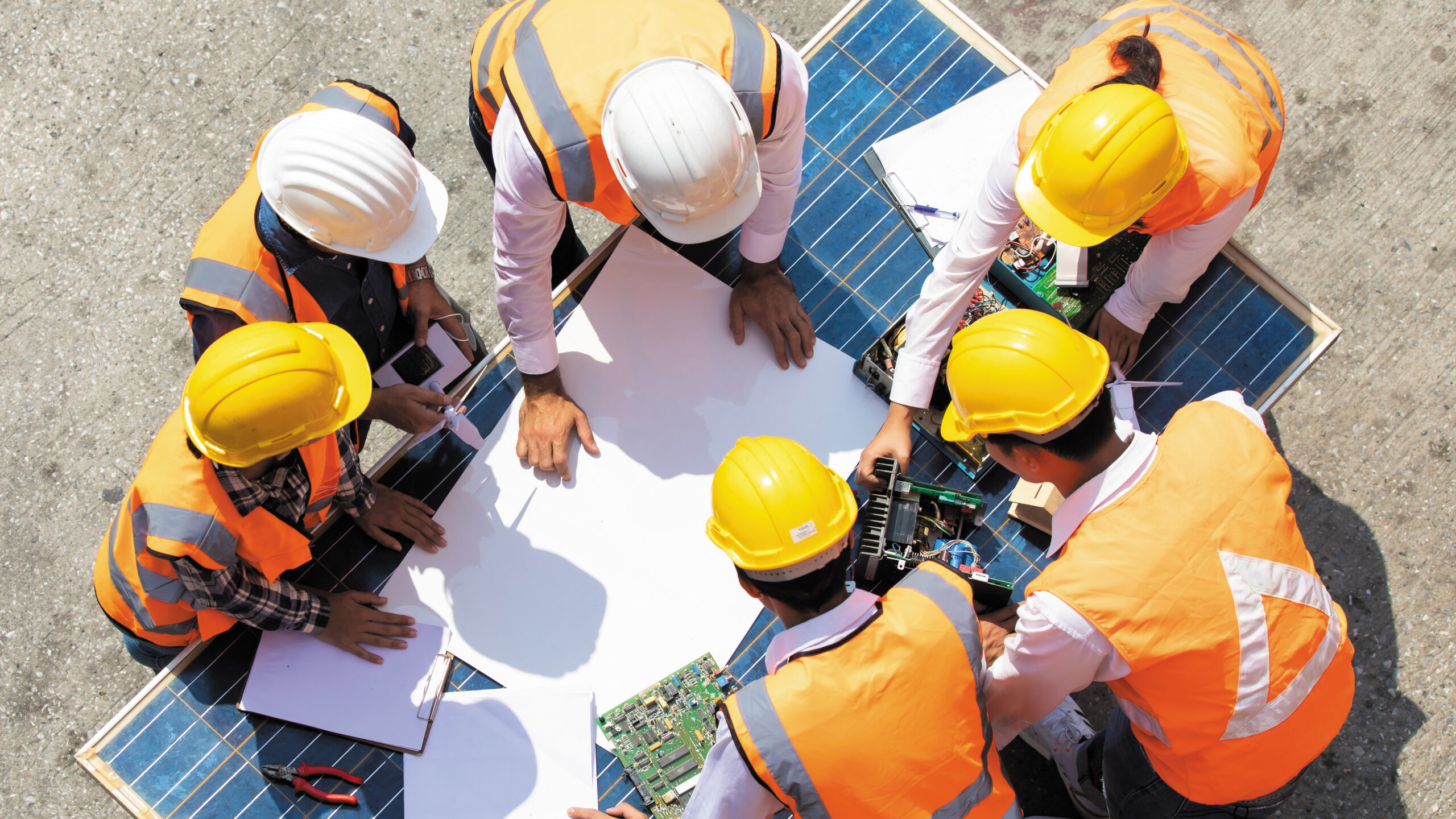
artificial intelligence and automation will be the next major test for employers. A modern company can treat technology primarily as a way to reduce labor costs. But it can also use it to raise employee productivity, eliminate the most repetitive tasks and create positions that require higher levels of skill.
That is why employee development is ceasing to be a benefit. It is becoming an investment.
A company that trains its people and prepares them to work with new technologies simultaneously increases its own resilience to economic change.
In an economy increasingly driven by knowledge, a company’s competitive advantage will depend not only on what technologies it owns, but also on whether it has people capable of using them.
The Best Employer Builds More Than Its Own Company
The significance of good employers extends beyond their own organizations.
A company that invests in training expands the pool of skills available in the labor market. A business that raises safety standards also influences its suppliers and subcontractors. An organization offering good pay, transparent career paths and a strong management culture raises employee expectations toward competitors as well.
In this way, competition for employees raises standards across the entire economy.
That is why the best employers should not be viewed solely through the lens of HR policy. They are part of a much larger story – the story of an economy that, over several decades, has moved from cheap labor and high unemployment to a market in which a skilled employee is increasingly one of the most sought-after resources.
Poland’s transformation has not taken place only in GDP statistics, new roads, factories and office buildings. It has also taken place in the workplace. And how companies treat, develop and reward their people is now one of the best measures of the maturity of the Polish economy.